
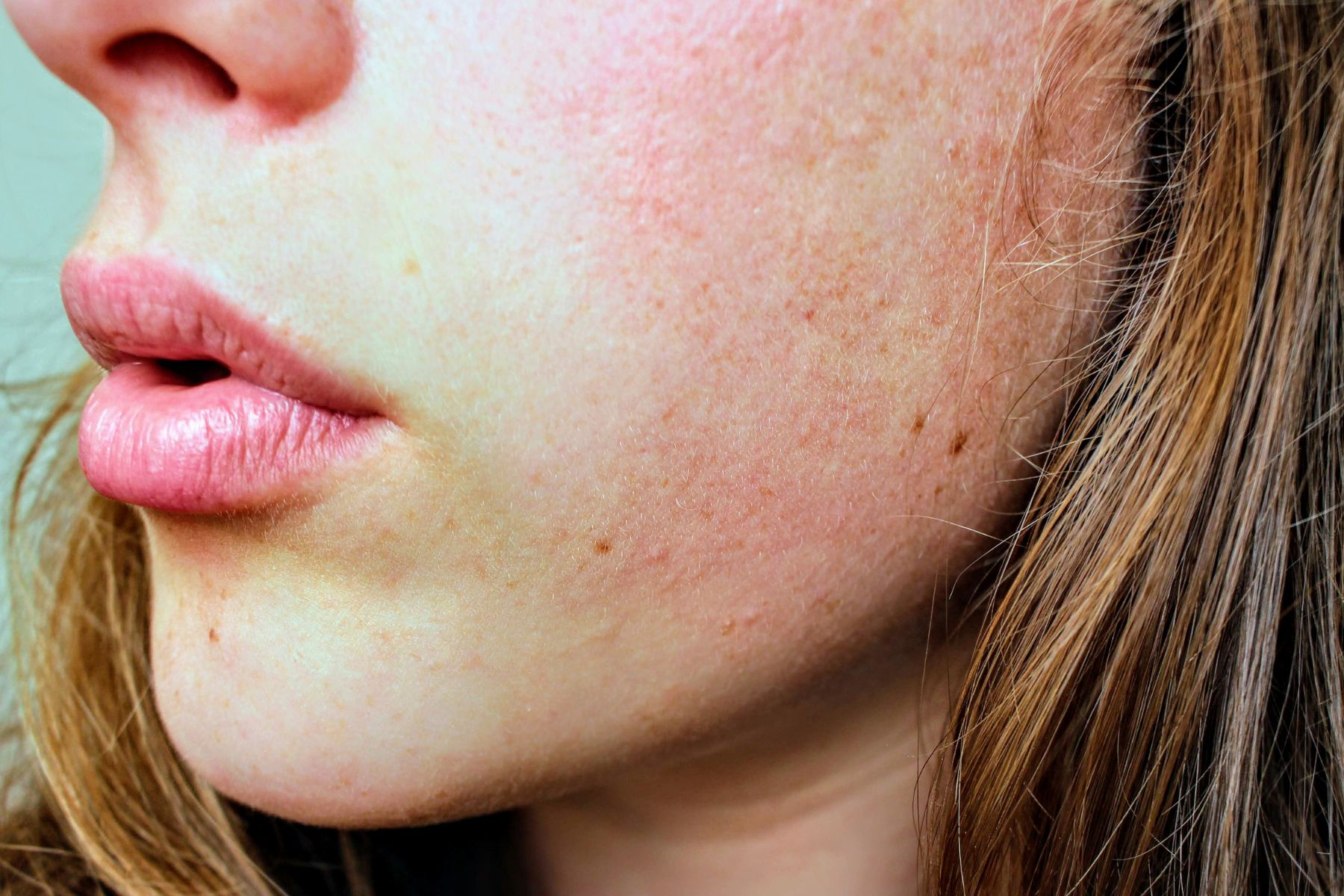
Here’s a truth that might sting a little. Many people struggling with rough, uneven skin aren’t dealing with stubborn skin. They’re dealing with a skincare habit ruining skin texture without realizing it. If your skin feels bumpy, dull, or strangely inconsistent despite all the products you use, the issue may not be what you’re missing. It may be what you’re doing too much of or doing incorrectly. Right after this, download the guide to Scars Don’t Define You: The Clear Skin Guide to Treating Acne Scars, the ebook that will help you understand how texture, breakouts, and scarring are connected and how to finally create smoother, clearer skin instead of chasing temporary fixes.
Let’s start with something almost everyone with texture concerns has experienced.

You look at your reflection and notice that your skin just doesn’t look smooth. Maybe foundation clings to certain areas. Maybe your forehead has tiny bumps that never seem to go away. Maybe your cheeks look dull no matter how much you moisturize. What makes this even more frustrating is that you’re trying. You’re cleansing regularly. You’re exfoliating. You’re investing in serums. Yet your skin texture still feels rough.
This leads many people to the same conclusion. They assume they need stronger products.
That assumption is often the skincare habit ruining skin texture.
One of the most common mistakes is overexfoliation. When skin feels rough, people instinctively try to scrub, peel, or resurface more aggressively. It feels logical. Rough skin must mean dead skin buildup. But skin texture problems are rarely that simple.

Your skin is a barrier first and a cosmetic surface second. When you repeatedly strip it with excessive exfoliation, harsh scrubs, or too many active ingredients, your skin doesn’t become smoother. It becomes stressed.
Stressed skin behaves differently.
Water loss increases. Inflammation rises. Oil production can become erratic. Cell turnover becomes uneven. Ironically, the skin may start feeling rougher precisely because you are trying so hard to smooth it.
Smooth skin is not created by force. It’s created by balance.
This is where gentle chemical exfoliation becomes incredibly valuable when used correctly. Instead of physically scraping the skin, chemical exfoliants help loosen the bonds between dead skin cells so they shed more evenly. When done properly, this improves texture without traumatizing the barrier.

A perfect example of this approach is First Aid Beauty Facial Radiance Pads.
These pads are often misunderstood. Many people think of exfoliation as something intense or risky. But these pads are designed to be gentle, controlled, and beginner friendly, especially for those dealing with a skincare habit ruining skin texture caused by aggressive routines.
Let’s break down why they work so well.
First Aid Beauty Facial Radiance Pads contain glycolic acid and lactic acid. Both are alpha hydroxy acids that target surface texture, dullness, and rough patches. Glycolic acid works by dissolving the glue that holds dead skin cells together, encouraging smoother shedding. Lactic acid provides a milder exfoliation while also offering hydrating benefits, which is crucial for maintaining barrier comfort.
This combination is important.
Many exfoliating products focus purely on resurfacing. These pads balance exfoliation with skin friendliness, making them ideal for people whose texture issues are linked to irritation, congestion, or uneven cell turnover rather than severe buildup.
Why does this help with smooth skin?
When dead skin cells accumulate irregularly, the surface becomes uneven. Skin feels rough. Makeup applies poorly. Light reflects unevenly, making the complexion appear dull. Gentle chemical exfoliation helps restore a more uniform surface so skin feels softer and looks more refined.
But the real magic is consistency without aggression.
Instead of shocking the skin once per week with something extremely strong, these pads allow controlled, gradual improvement. This prevents the cycle where you briefly look brighter but later experience irritation and worsening texture.

Now let’s talk about how to use them properly, because technique matters more than people think.
During the daytime, First Aid Beauty Facial Radiance Pads can be an excellent prep step. After cleansing, gently swipe a pad across the face using light pressure. There’s no need to scrub. Let the solution absorb fully into the skin. This step helps remove residual buildup, smooth minor roughness, and create a more even canvas for moisturizer and makeup.
This is the critical part.
Always follow with SPF.
Alpha hydroxy acids increase photosensitivity. That doesn’t mean they are dangerous, but it does mean your skin becomes more vulnerable to UV damage. Skipping sunscreen while using exfoliating acids is one of the fastest ways to worsen pigmentation, irritation, and texture problems.
In other words, ignoring SPF becomes another skincare habit ruining skin texture.
After the pad has absorbed, apply your moisturizer, then a broad spectrum sunscreen. Only then should makeup be applied. Many people notice that foundation sits more evenly and skin looks naturally smoother when this step is included.
At night, the pads play a slightly different role.
Evening use focuses on renewal and repair. After cleansing, swipe a pad across the face just as you would in the morning. Follow with hydrating serums or barrier supportive moisturizers. Nighttime is when the skin naturally shifts into recovery mode, making this an ideal time to encourage gentle resurfacing.
Consistency is key.
For many people, once per day is enough. Others may tolerate morning and evening use. Sensitive skin types often benefit from starting every other day. The goal is steady improvement, not rapid intensity.
Remember, smoother skin is rarely about doing more. It’s about doing smarter.
Another reason these pads are so helpful is psychological. Many people caught in a skincare habit ruining skin texture are constantly switching products, layering too many actives, or chasing dramatic treatments. These pads provide a controlled, reliable step that fits easily into a routine without overwhelming the skin.
Texture improvement thrives on stability.

Your skin needs time to respond, adapt, and rebuild. Gentle exfoliation combined with hydration and sun protection creates an environment where smoothness becomes sustainable rather than temporary.
There’s also an important connection people overlook.
Skin texture concerns often coexist with acne scars. Tiny bumps, uneven surface changes, and lingering marks frequently overlap. Treating texture without understanding scarring, and vice versa, leads to incomplete results.
That’s exactly why you should download the guide to Scars Don’t Define You: The Clear Skin Guide to Treating Acne Scars, the ebook that will help you understand how to improve skin smoothness, minimize the appearance of scars, and avoid the skincare habit ruining skin texture that keeps so many people stuck in frustration.
Because your skin isn’t difficult.
It’s responsive.
Once you remove the habits that quietly sabotage your texture and replace them with balanced, intelligent strategies, smoother skin stops feeling like luck and starts becoming predictable.


