
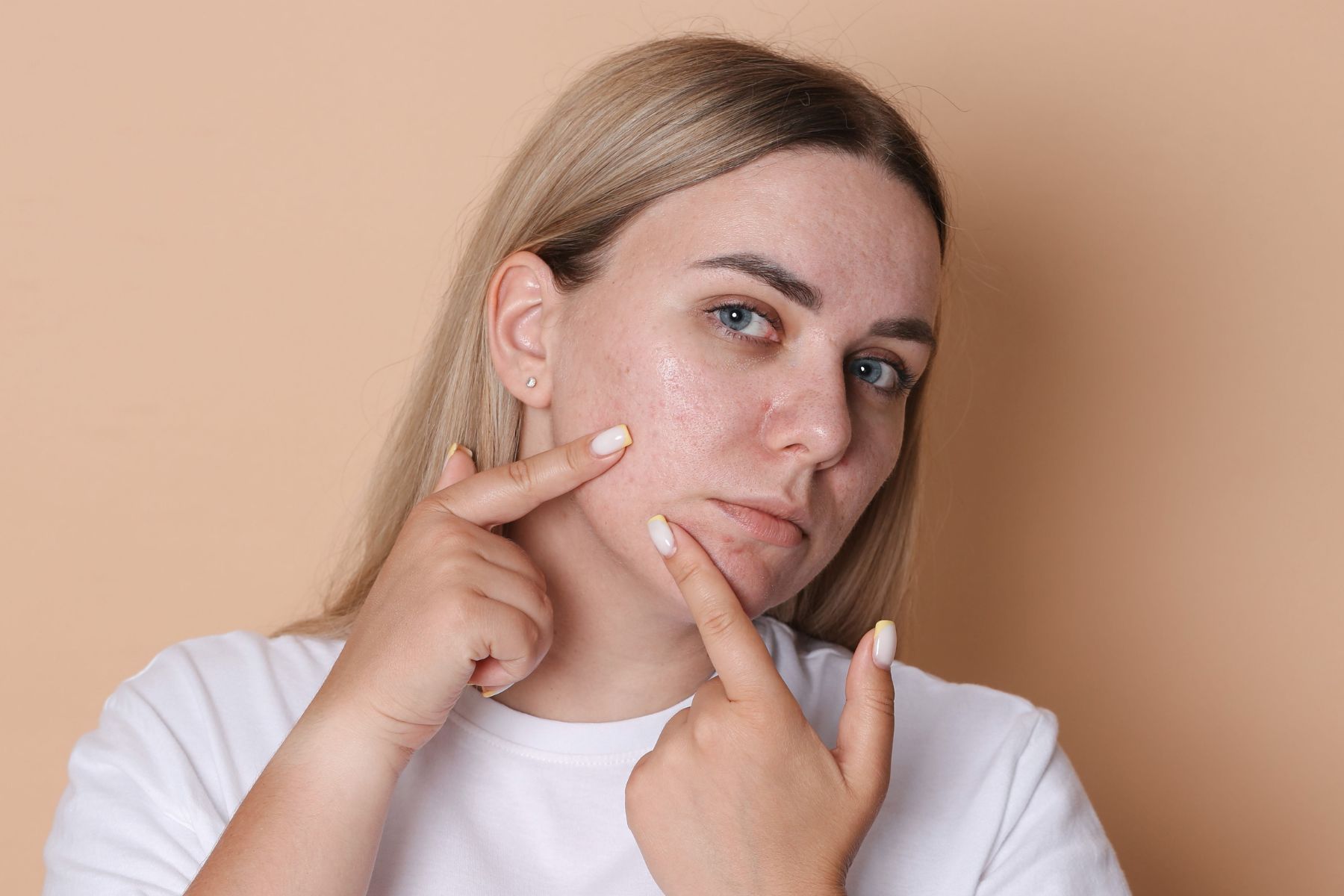
The Best Serums for Acne-Prone Skin (And Why Your Breakouts Keep Coming Back)
You’re not breaking out with acne because your skin is “dirty.” You’re not breaking out because you ate one slice of pizza. And you’re definitely not breaking out because you didn’t scrub hard enough.
Acne happens because something deeper is out of balance.
If you’ve been stuck in the cycle of new pimples, dark marks that linger for months, and products that either do nothing or irritate your skin, this is where we reset your understanding. Once you understand what actually causes acne, choosing the right serum becomes simple instead of overwhelming.
Let’s dig into the real science first.
Why We Get Acne in the First Place
Acne develops when four major factors collide: excess oil production, clogged pores, bacteria growth, and inflammation. If even one of those is uncontrolled, breakouts can form.
Your skin naturally produces oil, called sebum, to protect itself. But when hormones increase oil production, especially around your menstrual cycle or during stress, that oil mixes with dead skin cells inside the pore. If those cells aren’t shedding properly, the pore becomes clogged. Add Cutibacterium acnes bacteria into that trapped environment, and inflammation begins. That’s when you see redness, swelling, or pus.
Many people try to solve acne by stripping their skin. That backfires. When the barrier becomes damaged, your skin can actually produce more oil to compensate, creating even more congestion.
The solution is not aggression. It’s regulation.

Common Acne Triggers Most People Overlook
Hormones are one of the most common triggers, especially in women. Androgens increase oil production, which explains why jawline breakouts are so common.
Stress also plays a major role. Cortisol increases inflammation and oil output. If you’ve ever noticed worse skin during high-stress periods, that’s not a coincidence.
Over-exfoliation is another hidden trigger. Using scrubs, harsh toners, and multiple acids at once weakens the barrier, which leads to irritation breakouts.
Certain skincare ingredients can also clog pores. Heavy occlusives, coconut oil, and thick fragranced creams often worsen acne in people prone to congestion.
And finally, diet can influence acne in some individuals. High glycemic foods and excessive dairy may increase breakouts in sensitive people due to insulin spikes and hormonal shifts.
Once you control triggers, serums become powerful tools instead of temporary band-aids.
The 5 Best Serums for Acne-Prone Skin
These are chosen based on ingredient quality, formulation stability, and real acne-supporting benefits.
1. The Ordinary Salicylic Acid 2% Solution

The Ordinary Salicylic Acid 2% Solution
Salicylic acid is oil-soluble, which means it penetrates inside the pore and dissolves debris. This makes it one of the most effective ingredients for blackheads, whiteheads, and clogged pores.
This formula is simple, affordable, and effective for mild to moderate acne. It’s ideal for people who experience congestion and texture.
Best for: Oily or combination acne-prone skin
Use: 3 to 4 nights per week
2. La Roche-Posay Effaclar Salicylic Acid Serum

La Roche-Posay Effaclar Salicylic Acid Serum
This serum combines salicylic acid with glycolic acid and niacinamide. The combination treats active breakouts while helping fade post-acne marks.
Niacinamide reduces redness and regulates oil production, making this a well-rounded treatment serum.
Best for: Breakouts plus dark spots
Use: Nighttime, 3 times weekly
3. Paula’s Choice 10% Azelaic Acid Booster

Paula’s Choice 10% Azelaic Acid Booster
Azelaic acid is underrated. It reduces inflammation, fights acne-causing bacteria, and helps fade hyperpigmentation. It’s especially beneficial for melanin-rich skin that scars easily after breakouts.
Best for: Red acne, rosacea-like sensitivity, and post-inflammatory hyperpigmentation
Use: Morning or night
4. The Inkey List Niacinamide Serum

The Inkey List Niacinamide Serum
Niacinamide helps regulate oil production and strengthen the skin barrier. While it’s not a strong exfoliant, it reduces redness and prevents future congestion when used consistently.
Best for: Oily skin, enlarged pores, barrier repair
Use: Daily, morning and night
5. Differin Adapalene Gel 0.1%

Adapalene is a retinoid that increases cell turnover and prevents clogged pores from forming. It treats acne at the root by regulating how skin cells shed.
It requires patience. Results typically show after 8 to 12 weeks, but it’s one of the most effective long-term acne treatments available over the counter.
Best for: Persistent acne and texture
Use: Night only
Recommended Daily Routine for Acne-Prone Skin
Morning Routine
- Gentle cleanser
- Niacinamide serum
- Lightweight moisturizer
- Broad-spectrum SPF 30 or higher
Sunscreen is not optional. UV exposure worsens inflammation and dark marks after breakouts.
Night Routine (Alternate Active Nights)
Night A:
Cleanser
Salicylic acid or Effaclar serum
Moisturizer
Night B:
Cleanser
Adapalene (pea-sized amount)
Moisturizer
Azelaic acid can be layered on non-retinoid nights if tolerated.
The key is rotation. Not stacking everything at once.
Final Thoughts
Acne isn’t random. It’s a signal. When you understand oil regulation, inflammation, and barrier function, you stop reacting and start correcting.
The right serum doesn’t just dry out pimples. It regulates the process that creates them.
And if you’re someone who struggles not just with breakouts but with the dark marks that follow, understanding pigmentation science is the next step. That’s where advanced routines matter.


