
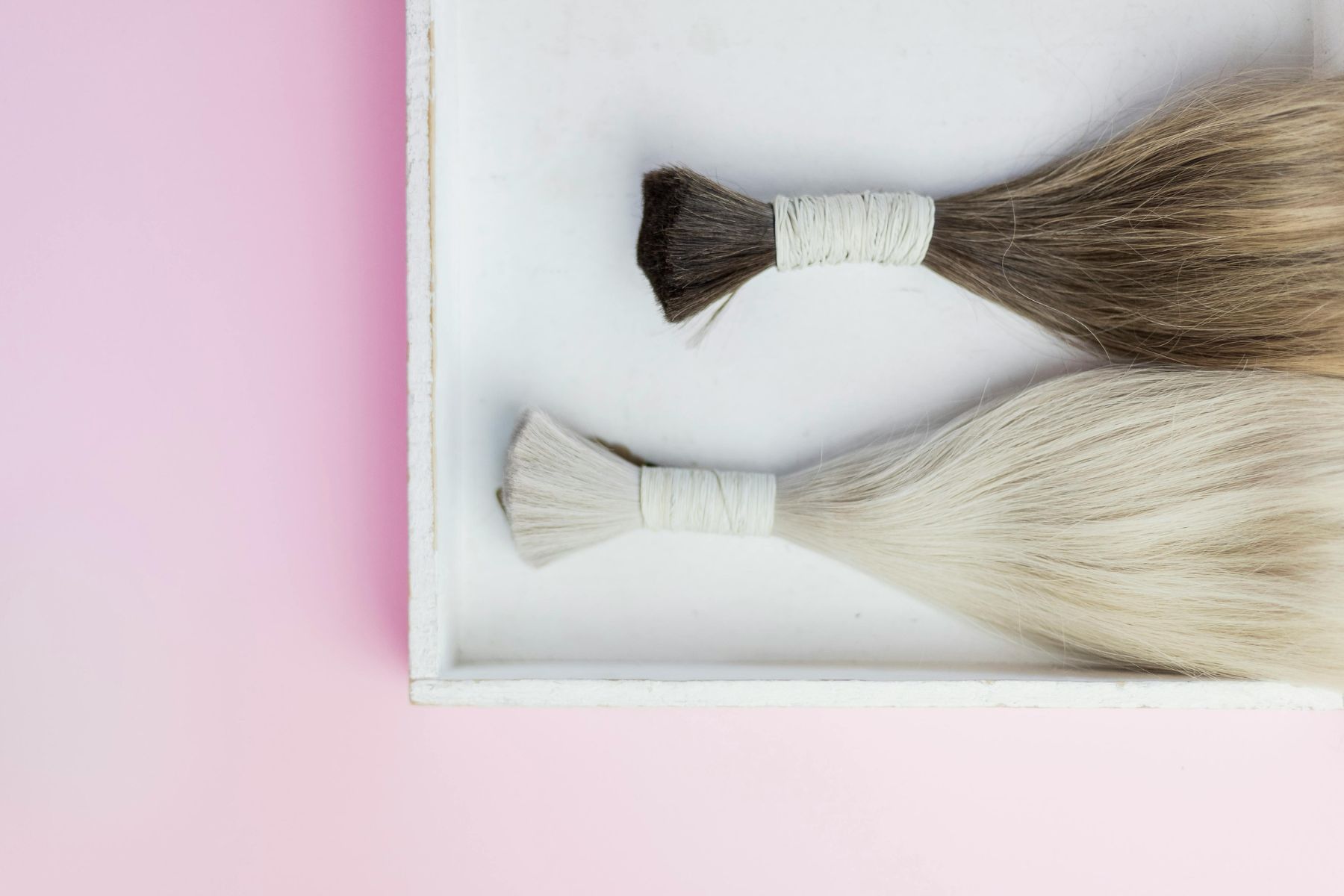
Starting a hair business can sound pretty simple.
Find a hair vendor. Build a website. Post a few pictures. Start making sales.
But if you’ve spent any time looking into starting a hair business, you’ve probably already realized there’s a lot more to it.
What type of hair should you sell? How do you find a supplier? Should you buy inventory or have your supplier ship orders? How much should you charge? And most importantly, how do you actually get customers?
The good news is that you don’t have to have everything figured out before you start.
Let’s break down how to start a hair business, what you’ll need, and how you can begin building a brand that actually has the potential to make money.
Thinking About Starting a Beauty Business?
Don’t let all the little details keep you stuck. Grab the FREE Beauty Business Starter Kit to help you organize your idea and start turning it into a real business.
Free download. Enter your email above and we’ll send it straight to you.
1. Decide What Type of Hair You Want to Sell
One of the first mistakes you can make is trying to sell everything.
Bundles.
Wigs.
Closures.
Frontals.
Clip-ins.
Tape-ins.
Braiding hair.
Ponytails.
Extensions.
There’s nothing wrong with eventually offering several products, but when you’re starting out, having a clear focus can make your business much easier to market.
Think about who you want your customer to be.
Maybe you want to sell affordable bundles to women who regularly get sew-ins.
Maybe you want to specialize in beginner-friendly wigs for women who don’t know how to install complicated lace fronts.
You could build a luxury brand around premium raw hair or focus on convenient protective styles for busy women.
Instead of asking:
“What hair can I sell?”
Start asking:
“Who am I selling to, and what does she actually want?”
That question can influence almost everything else you do.
2. Find a Hair Vendor You Can Trust
Your supplier can make or break your hair business.
A beautiful website and great marketing won’t save you if customers receive hair that tangles, sheds excessively or looks completely different from what you advertised.
Take your time when researching vendors.
Look at things such as:
- Hair quality
- Available textures and lengths
- Wholesale pricing
- Minimum order requirements
- Processing times
- Shipping costs
- Return or replacement policies
- Private-label options
- Packaging
- Whether dropshipping or direct fulfillment is available
And whenever possible, order samples before selling the product to customers.
Don’t judge the hair only when it comes out of the package.
Wash it.
Style it.
Wear it.
See how it behaves after several days or weeks.
If you’re putting your business name on a product, you should have some idea of what your customer is actually going to experience.
3. Decide Whether You’ll Carry Inventory
There are several ways to structure a hair business.
Buy Your Own Inventory
You purchase the hair ahead of time and ship orders yourself.
This gives you more control over your business.
You can inspect products before they leave, create branded packaging, take your own product photos and potentially ship orders faster.
The downside?
You’re spending money before you know whether those products will sell.
If you buy $2,000 worth of inventory and customers aren’t interested in those particular lengths, textures or styles, your money can end up sitting on a shelf.
Supplier Fulfillment or Dropshipping
Another option is working with a supplier that ships products directly to your customers.
This can reduce how much inventory you need upfront.
However, you’re also giving up some control.
Shipping speed, packaging and the customer’s unboxing experience may depend heavily on your supplier.
Before using this model, order something yourself so you can see exactly what your customer will experience.
Start Small
There’s also nothing wrong with starting with a very limited amount of inventory.
You don’t need 47 different products on launch day.
Sometimes starting with a handful of products and expanding based on what customers actually buy is the smarter approach.
4. Calculate Your Hair Business Prices
This is where you need to pay attention to the numbers.
Imagine a bundle costs you $45 and you sell it for $85.
At first glance, you might think:
$85 – $45 = $40 profit.
But that’s not necessarily what you’re actually keeping.
Your business may also have expenses such as:
- Shipping
- Packaging
- Payment processing fees
- Website fees
- Apps or software
- Returns or replacements
- Samples
- Content creation
- Advertising
If it costs you another $15 to sell and deliver that $85 order, your numbers look very different.
Before choosing your prices, calculate the real cost of fulfilling the order.
You also want enough margin to eventually market the business without losing money every time you make a sale.
5. Create a Hair Brand, Not Just a Hair Website
You can build an online store fairly quickly.
But a website isn’t a brand.
Your brand is the experience and identity surrounding the product.
Think about your:
Business name
Choose something memorable that can still make sense if your product line expands later.
Ideal customer
Who are you speaking to?
Brand personality
Luxury? Affordable? Glamorous? Beginner-friendly? Bold? Minimal?
Photography
Whenever possible, show customers what the actual product looks like instead of relying entirely on generic supplier photographs.
Packaging
You don’t necessarily need expensive custom boxes when you’re starting, but the presentation should still feel intentional.
Your goal is to make someone understand why they should buy hair from your business when hundreds of other stores are selling similar products.
6. Set Up Somewhere to Sell Your Hair
You’ll need somewhere customers can see your products and place an order.
Many hair businesses eventually create their own ecommerce website because it gives them more control over their branding, products and customer experience.
Your product pages should clearly explain what the customer is purchasing.
Include important details such as:
- Length
- Texture
- Color
- Quantity
- What’s included
- Processing time
- Shipping information
- Care instructions when appropriate
And make sure your website works properly on a phone.
A customer shouldn’t have to hunt for the Add to Cart button or zoom in just to understand what she’s buying.
7. Here’s the Part Most People Forget: You Need Traffic
This might be the most important part of this entire article.
Building the website is the easy part. Getting people to the website is the business.
You could create the most beautiful hair store on the internet.
If nobody knows it exists, you won’t have customers.
That’s why marketing needs to be part of your business plan from the beginning.
And marketing doesn’t automatically mean spending hundreds or thousands of dollars on ads.
You can start creating content organically.
8. Create Content People Actually Want to Watch
Instead of constantly posting:
“Bundles available! Shop now!”
Give people a reason to watch your content.
For example:
“Here’s what 18-inch vs. 24-inch bundles actually look like.”
“How many bundles do you need for a full sew-in?”
“Raw hair vs. virgin hair: what’s the difference?”
“Watch me wash this wig after wearing it for 30 days.”
“3 things I wish I knew before buying my first lace wig.”
“What does a 180% density wig actually look like?”
You can also show:
- Wig installations
- Before-and-after transformations
- Different textures
- Styling tutorials
- Hair-care tips
- Packaging orders
- Customer reviews
- Frequently asked questions
- Behind-the-scenes content
This type of content does something a basic product picture can’t.
It helps people discover you and trust you.
9. Use More Than One Traffic Source
You don’t necessarily need to be everywhere when you’re starting.
Pick one or two platforms you can consistently create content for.
That might include:
TikTok and Instagram: Short demonstrations, transformations, tutorials and product videos.
Pinterest: Hairstyles, wig inspiration, tutorials and searchable content that can send people to your website.
YouTube: Hair reviews, comparisons, tutorials, installations and longer educational videos.
Facebook: Reels, educational posts, videos and community-building content.
You can also repurpose content.
One longer video can potentially become several short clips, Pinterest content, social posts and even part of a blog article.
The goal isn’t to create content all day.
It’s to get as much value as possible from the content you already create.
10. Don’t Expect Your First Sale to Happen Magically
Launching your website isn’t the finish line.
It’s the beginning.
Your first version probably won’t be perfect.
You may discover customers want different products than you expected.
One type of content may perform much better than another.
You might change suppliers.
Your pricing may need adjusting.
Your branding might evolve.
That’s normal.
Instead of waiting until you have the perfect business, start with something manageable, pay attention to what customers respond to and improve as you go.
How Much Money Can You Make Selling Hair?
There’s no guaranteed amount.
Your revenue will depend on factors including your prices, product costs, profit margins, order volume, marketing expenses and ability to attract repeat customers.
Instead of starting with:
“How can I make $10,000 a month selling hair?”
Start with:
“How can I get my first paying customer profitably?”
Then work toward your first five customers.
Then ten.
Those smaller milestones give you actual information about whether people want your products, what they’re willing to pay and how they’re finding you.
Ready to Start Your Beauty Business?
If you’ve been thinking about selling hair, wigs, lashes, skincare, press-on nails or another beauty product, don’t let everything you think you need stop you from starting.
You don’t need a massive inventory.
You don’t need thousands of followers.
And you definitely don’t need to have your entire business figured out today.
You need a clear idea, a customer, a product and a plan for getting started.
That’s exactly why I created the Beauty Business Starter Kit.
It’s designed to help you take that beauty business idea out of your head and start turning it into something real.
Use the kit to work through the early stages of building your beauty business so you’re not staring at a blank page wondering what to do next.
Get the FREE Beauty Business Starter Kit →
Thinking About Starting a Beauty Business?
Don’t let all the little details keep you stuck. Grab the FREE Beauty Business Starter Kit to help you organize your idea and start turning it into a real business.
Free download. Enter your email above and we’ll send it straight to you.
Start small. Learn as you go. And build from there.
Watch: How to Make Money Selling Hair Online
Prefer to watch instead?
In this video, I break down how a hair business works, including choosing products, finding a supplier, pricing your hair and getting customers.


