
Your moisturizer suddenly burns.
Your skin feels tight even after applying several hydrating products.
The glow you were chasing has turned into redness, rough patches, flaking, sensitivity, or tiny breakouts that seem to appear out of nowhere.
And now you’re standing in front of a shelf full of serums wondering:
“Did I completely ruin my skin barrier?”
First, take a breath.
Your skin may not need another exfoliating toner, a stronger serum, or an entirely new 10-step routine.
It may simply need you to stop doing so much and give it the ingredients it needs to protect itself again.
What Is Your Skin Barrier?
Your skin barrier is the protective outer layer of your skin.
Think of it like a brick wall.
The skin cells are the bricks, while natural fats called lipids act like the mortar holding everything together. These lipids include ceramides, cholesterol, and fatty acids.
When your skin barrier is healthy, it helps:
- Keep moisture inside your skin
- Reduce excessive water loss
- Protect your skin from environmental irritants
- Keep your complexion feeling soft, comfortable, and balanced
When that protective layer becomes compromised, moisture escapes more easily and ingredients that never bothered you before may suddenly sting or cause irritation.
That is why damaged-barrier skin can feel dry and oily at the same time. Your skin may become dehydrated while producing more oil in an attempt to compensate.
How Do I Know If My Skin Barrier Is Damaged?
A damaged or stressed skin barrier can look different from person to person.
Common warning signs may include:
- Skin that feels tight shortly after cleansing
- Burning or stinging when applying products
- New redness or sensitivity
- Dry, rough, flaky, or peeling areas
- Increased irritation
- Small bumps or unexpected breakouts
- Makeup suddenly looking patchy
- Skin that feels dehydrated no matter how many products you apply
One major clue is that products you previously tolerated suddenly feel uncomfortable.
Your regular moisturizer should not feel like hot sauce.
If almost everything starts burning, your skin may be asking for fewer active ingredients and more barrier support.
What Causes a Damaged Skin Barrier?
Over-exfoliation is one of the biggest reasons people suddenly feel as though their skin is “wrecked.”
It can happen when you combine too many active ingredients, even when each product is effective on its own.
For example, your routine may include:
- Glycolic acid several nights per week
- Salicylic acid for clogged pores
- A retinoid for texture or fine lines
- An exfoliating cleanser
- An at-home peel
- A brightening serum
Individually, some of these products may have a place in a well-balanced routine.
Used too frequently or layered together, however, they may become too much for your skin.
Other possible causes include:
- Harsh or stripping cleansers
- Scrubbing the skin aggressively
- Washing with very hot water
- Dry or cold weather
- Starting several new products at once
- Using prescription or over-the-counter acne products too frequently
- Skipping moisturizer because your skin is oily
- Using strong skincare without adequate sun protection
The solution is not always adding another serum.
Sometimes the most helpful thing you can do is temporarily simplify.
The One Product To Focus On: A Ceramide-Rich Barrier Cream
When your bathroom counter is already overflowing with skincare, the last thing you want is a list of seven more products to buy.
Start with one supportive moisturizer.
A product worth considering is:

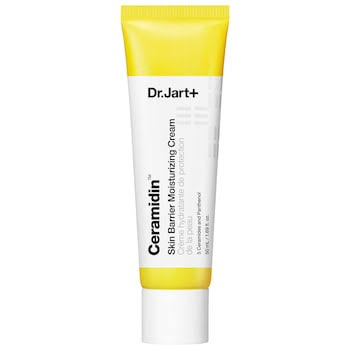
Dr. Jart+ Ceramidin™ Skin Barrier Moisturizing Cream
This rich moisturizing cream is available at Sephora and is formulated with five ceramides and panthenol to support the skin barrier and replenish moisture.
Why does that matter?
Ceramides are naturally occurring lipids found within your skin barrier. They help support the protective structure that keeps moisture in and outside irritants out.
Panthenol, also known as provitamin B5, is commonly used in skincare products to support hydration and help soothe dry-feeling skin.
Instead of aggressively resurfacing the skin, this type of moisturizer focuses on replenishment and comfort.
That is often exactly what over-exfoliated skin is missing. Click here to learn more.
Is Dr. Jart+ Ceramidin Cream Good For A Damaged Skin Barrier?
It may be a helpful option for skin experiencing:
- Dryness
- Tightness
- Flaking
- Dehydration
- Rough texture
- Increased sensitivity from overusing active products
However, no moisturizer can guarantee an overnight “repair,” and one product cannot cancel out a routine that continues to irritate your skin.
The cream works best as part of a temporary skin reset.
That means applying the barrier-supporting product while also reducing the habits that may have caused the irritation.
How To Use A Barrier Cream When Your Skin Feels Wrecked
For the next several days, your skincare routine may need to become almost boring.
That is okay.
Try a simplified routine:
Morning
- Rinse with lukewarm water or use a gentle cleanser if needed.
- Apply your barrier-supporting moisturizer.
- Finish with a broad-spectrum sunscreen.
Evening
- Cleanse gently.
- Apply your ceramide moisturizer while the skin is slightly damp.
- Avoid adding multiple active treatments until your skin feels comfortable again.
If the cream feels too rich across your entire face, apply a thinner layer or concentrate it on the driest areas.
Always patch test new products when your skin is already reactive.
What Should You Stop Using While Repairing Your Skin Barrier?
This may be the hardest part.
Temporarily pause the urge to “fix” the texture by exfoliating it again.
Depending on the severity of your irritation and the advice of your skincare professional, you may need to take a break from:
- Glycolic acid
- Lactic acid
- Strong exfoliating toners
- At-home chemical peels
- Facial scrubs
- Exfoliating brushes
- Retinoids
- High-strength acne treatments
- Strong vitamin C formulas
- Fragranced products that sting your skin
This does not necessarily mean you can never use those ingredients again.
It means your skin may need time to become calm and comfortable before you slowly reintroduce them.
Why Adding More Hydrating Serums May Not Be The Answer
When skin feels dehydrated, many people immediately buy several hyaluronic acid serums.
Hydrating serums can be helpful, but hydration and barrier support are not exactly the same thing.
A serum may attract or add water to the skin.
A well-formulated moisturizer helps soften the skin and reduce moisture loss.
That is why applying three watery serums without a supportive moisturizer may still leave your skin feeling tight.
Your routine does not necessarily need more layers.
It may need the right final layer.
How Long Does It Take To Repair A Damaged Skin Barrier?
There is no universal timeline.
Mild irritation may begin feeling more comfortable after several days of simplifying your routine.
More significant irritation may take longer.
Your skin’s recovery time may depend on:
- How irritated the skin is
- How long you have been overusing active ingredients
- Whether you continue using products that cause irritation
- Your environment
- Your skin type
- Any underlying skin condition
Do not rush the process because your skin feels better after one or two days.
Feeling less irritated does not necessarily mean it is time to restart every active product at once.
How To Reintroduce Active Ingredients Without Wrecking Your Barrier Again
Once your skin feels consistently comfortable, introduce products slowly.
Do not restart your exfoliating toner, retinol, vitamin C serum, peel pads, and acne treatment during the same week.
Start with one active product.
Use it less frequently than before.
Then observe your skin before adding anything else.
A helpful rule is:
Change one thing at a time so you know what your skin is responding to.
More products do not automatically create better skin.
Consistency usually matters more than complexity.
Not Sure What Your Skin Actually Needs?
One of the reasons people over-exfoliate is that they are combining products without knowing which ingredients work well together or how often they should use them.
Your skin may not need a trending routine.
It needs a routine that makes sense for your skin type, concerns, sensitivity level, and current products.
Use the Free Skin Routine Generator to receive a personalized starting routine based on your skin’s needs.
Instead of guessing which cleanser, serum, moisturizer, or treatment belongs in your routine, you can build a simpler plan and understand where each product fits.
Create your free personalized skincare routine now.
When Should You See A Dermatologist?
A damaged skin barrier can share symptoms with skin conditions that may require professional evaluation.
Consider contacting a board-certified dermatologist or healthcare professional if you experience:
- Severe burning or pain
- Swelling
- Blistering
- Oozing or crusting
- Persistent itching
- A spreading rash
- Significant acne or inflammation
- Symptoms that continue despite simplifying your routine
- Irritation around the eyes
- Signs of an allergic reaction
You should also seek professional guidance before changing prescribed skincare medications.
The Bottom Line
When your skin barrier feels wrecked, resist the urge to punish your skin with another exfoliating product.
Pause.
Simplify.
Use a gentle cleanser, a ceramide-rich moisturizer, and sunscreen.
A product such as Dr. Jart+ Ceramidin™ Skin Barrier Moisturizing Cream may help support moisture and reinforce a simplified barrier-care routine.
But the real fix is not only what you add.
It is also what you temporarily stop doing.
Your skin does not always need more.
Sometimes it needs less irritation, more consistency, and enough time to recover.
Ready to stop guessing?
Use the Free Skin Routine Generator to create a personalized routine based on your skin type and concerns.
Disclaimer: This article is for educational and informational purposes only and is not intended to diagnose, treat, cure, or prevent any skin condition. Individual results and product tolerance may vary. Always patch test new skincare products and consult a qualified healthcare professional or board-certified dermatologist regarding persistent, severe, or concerning symptoms.


