
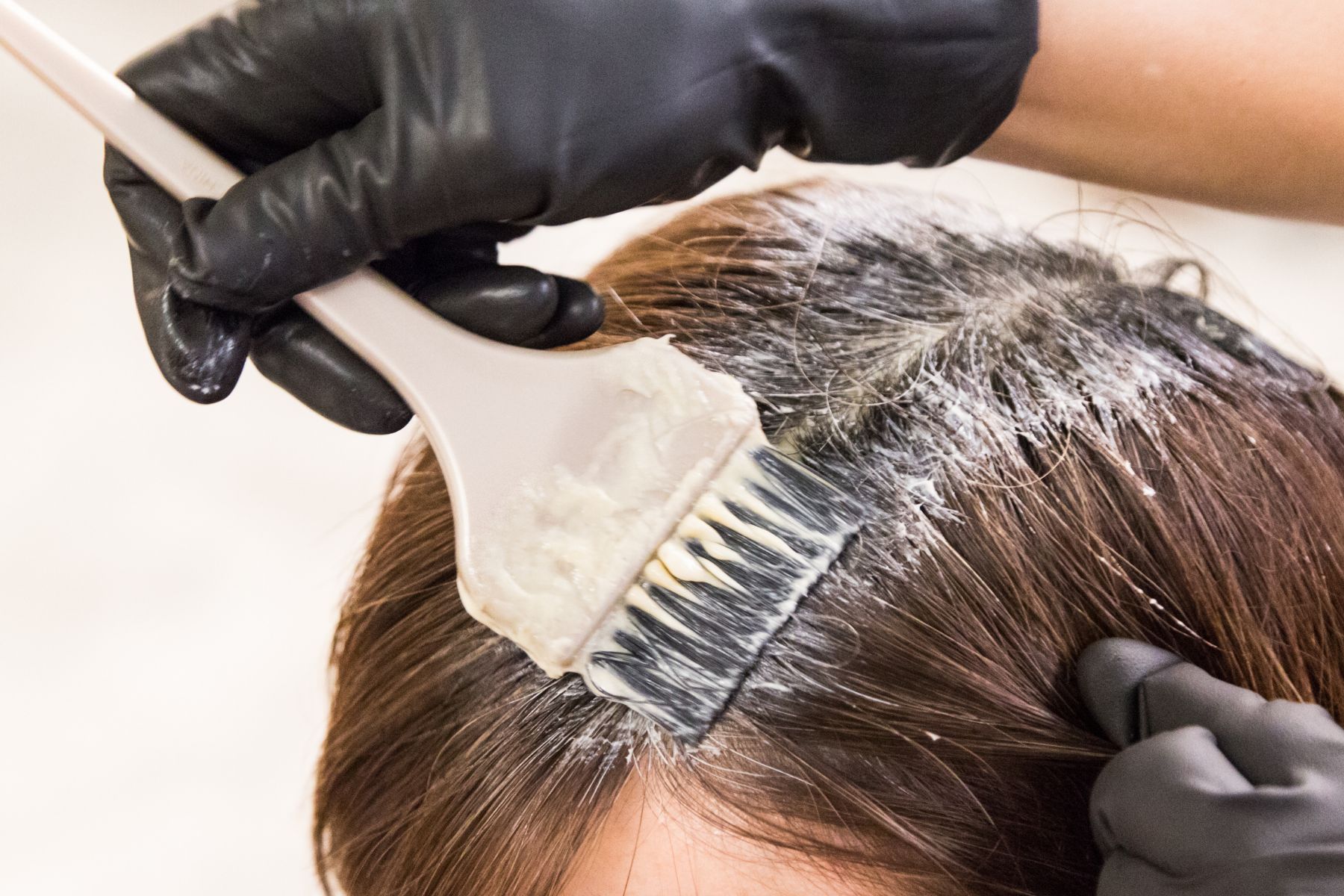
Coloring your hair at home can save hundreds of dollars every year, but one wrong step can leave your hair dry, brittle, patchy, or breaking off. The good news is that you can absolutely color your hair at home successfully without destroying it if you prepare correctly and use the right products.
The biggest mistake people make is rushing the process or using harsh products without protecting the hair first. Healthy hair coloring is less about luck and more about preparation, moisture, timing, and choosing gentler formulas.
If you want shinier, healthier looking hair color at home without unnecessary damage, this guide walks you through exactly how to do it safely step by step.
How to Color Hair at Home Without Damage Before You Start
Before applying any hair dye, you need to prepare your hair properly. Hair that is already dry, overprocessed, or damaged absorbs color unevenly and breaks more easily during chemical processing.
A few days before coloring your hair:
• Use a deep conditioning mask
• Avoid excessive heat styling
• Do not bleach and color on the same day unless experienced
• Trim split ends if needed
• Avoid washing your hair immediately before coloring
Natural scalp oils help protect the scalp during coloring, so slightly dirty hair is often better than freshly washed hair.
If your hair feels weak, stretchy, gummy, or extremely dry, focus on repairing it first before applying permanent dye.
Best Products for Coloring Hair at Home Without Damage
Choosing the right products makes a huge difference in preventing dryness and breakage.
Best Gentle Hair Dye Options
Look for ammonia free or lower damage formulas whenever possible.
Recommended types:
• Demi permanent hair color
• Ammonia free permanent dyes
• Gloss treatments
• Deposit only color conditioners
Popular beginner friendly options often include:
• Clairol Natural Instincts
• L’Oréal Paris Excellence Creme
• Garnier Olia
• Wella Color Charm
Best Bond Repair Treatments for Colored Hair
Bond repair products help strengthen hair during and after coloring.
Recommended products:
• Olaplex No. 3 Hair Perfector
• K18 Leave In Molecular Repair Hair Mask
• Redken Acidic Bonding Concentrate
• Briogeo Don’t Despair Repair Mask
These are especially important if your hair has been bleached, heat damaged, or previously colored.
Tools You Need to Color Hair at Home Without Damage
Using proper tools creates more even color and reduces unnecessary stress on the hair.
Essential Hair Coloring Tools
Optional but helpful:
• Digital scale for precise mixing
• Applicator bottle
• Heat protectant spray
• Microfiber towel
Using proper sectioning clips alone can dramatically improve the outcome because the color applies more evenly.
Step by Step Guide for Coloring Hair at Home Without Damage
Step 1: Do a Strand Test First
Always test the dye on a small hidden section of hair before coloring your entire head. This helps you predict:
• Final color result
• Processing time
• Potential damage
• Allergic reactions
Skipping this step is one of the biggest causes of hair color disasters.
Step 2: Detangle and Section Your Hair
Brush your hair gently and divide it into four to six sections using clips.
Smaller sections help:
• Prevent patchiness
• Ensure even saturation
• Reduce overlapping damage
Step 3: Protect Your Hairline and Skin
Apply petroleum jelly or a barrier cream around:
• Hairline
• Ears
• Neck
This helps prevent staining.
Wear gloves before mixing the color.
Step 4: Mix Hair Color Properly
Follow the product instructions exactly. Incorrect ratios can affect:
• Color outcome
• Hair health
• Processing performance
Never guess measurements.
Step 5: Apply Color Strategically
If coloring virgin hair:
• Apply mids and ends first
• Apply roots last because scalp heat processes faster
If touching up roots:
• Only apply color to new growth initially
• Avoid repeatedly coloring previously processed hair
Overlapping permanent dye repeatedly is one of the fastest ways to create breakage.
Step 6: Watch the Processing Time Carefully
Leaving dye on longer does not usually create better results. It often causes:
• Dryness
• Irritation
• Breakage
• Uneven color
Use a timer and follow instructions carefully.
Step 7: Rinse With Lukewarm Water
Avoid very hot water after coloring. Hot water can:
• Strip moisture
• Fade color faster
• Increase dryness
Rinse until the water runs mostly clear.
Step 8: Use a Bond Repair or Deep Conditioning Treatment
This is one of the most important steps for minimizing damage after coloring hair.
Immediately follow with:
• Bond repair treatment
• Hydrating hair mask
• Protein moisture balancing treatment
This helps restore softness and elasticity.
How to Prevent Hair Damage After Coloring Hair at Home
The aftercare matters just as much as the coloring process itself.
Use Sulfate Free Shampoo
Harsh shampoos can strip color and dry out the hair faster.
Look for:
• Color safe shampoo
• Sulfate free formulas
• Moisturizing cleansers
Reduce Heat Styling
Flat irons and curling irons can worsen post coloring dryness. Use heat protectant sprays whenever possible.
Sleep on Satin or Silk
Cotton pillowcases create friction that contributes to dryness and breakage.
Satin pillowcases and bonnets help:
• Reduce frizz
• Protect hair color
• Retain moisture
Use Hair Oils Carefully
Lightweight oils can help add shine and softness.
Popular options include:
• Argan oil
• Jojoba oil
• Rosemary oil blends
• Silicone based shine serums
Common Mistakes That Damage Hair During At Home Hair Coloring
Bleaching Too Frequently
Bleach is one of the most damaging processes for hair when overused.
Overlapping Permanent Dye
Repeatedly coloring already processed hair weakens the strands significantly.
Skipping Deep Conditioning
Hair coloring removes moisture. Failing to replace it leads to brittleness.
Choosing the Wrong Developer Strength
Stronger developers are not always better. Higher volume developers increase lift but also increase damage risk.
Coloring Hair Too Often
Hair needs recovery time between chemical services.
Best Hair Treatments for Dry or Damaged Colored Hair
If your hair feels dry after coloring, focus on moisture and bond repair.
Helpful treatments include:
• Weekly hair masks
• Leave in conditioners
• Protein treatments
• Scalp oils
• Bond builders
• Hydrating serums
You can also improve hair appearance with gentle LED scalp therapy devices designed to support scalp health and circulation.
Is It Better to Color Hair at Home or Go to a Salon?
At home hair coloring works best for:
• Root touch ups
• Glosses
• Darkening hair
• Covering grays
• Refreshing faded color
Professional salons are usually safer for:
• Platinum blonde transformations
• Major color corrections
• Balayage
• Complex highlights
• Severely damaged hair
The key is knowing your limits and avoiding overly aggressive chemical processing.
Final Thoughts on How to Color Hair at Home Without Damage
Healthy hair coloring is possible at home if you slow down, use gentler products, and focus heavily on moisture and repair.
The safest approach is:
• Gentle dye formulas
• Proper sectioning
• Careful timing
• Bond repair treatments
• Deep hydration afterward
Hair health should always come before chasing dramatic color changes.
Beautiful hair color looks best when the hair itself still feels soft, shiny, and healthy.


