
>> Get a Personalized Skin Care Routines That Address YOUR Specific Skincare Concerns Here <<
Many people with oily skin believe they need harsh products to control shine. But the truth is that over-stripping the skin often makes oil production worse. At the same time, inflammation from breakouts can leave behind hyperpigmentation and uneven skin tone that lingers for months.
The goal of a good routine is not just removing oil. It is calming inflammation, supporting the skin barrier, and targeting pigment formation. When those three things work together, skin becomes smoother, clearer, and more even in tone.
This simple routine uses three products that focus on those exact mechanisms.

Step 1: Cleanse Without Stripping the Skin
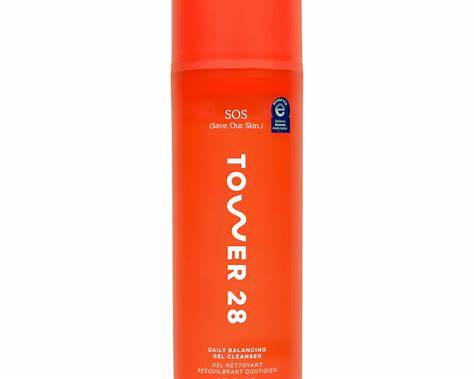
Start with Tower 28 SOS Daily Balancing Gel Cleanser.
This cleanser is designed for sensitive and breakout-prone skin. Instead of harsh sulfates that strip the skin barrier, it uses gentle cleansing agents that remove oil, sunscreen, and buildup without leaving skin tight or irritated.
One of the reasons this cleanser works well for oily and hyperpigmented skin is that inflammation is a major trigger for discoloration. When the skin becomes irritated or over-cleansed, it produces more oil and more pigment.
A gentle cleanser prevents that cycle.
How to use it:
Use a quarter-size amount on damp skin, massage for about 30 seconds, then rinse with lukewarm water.
Cleanse once in the morning and once at night.

Step 2: Target Hyperpigmentation With Azelaic Acid
After cleansing, apply The Inkey List 10% Azelaic Acid Serum.
Azelaic acid is one of the most underrated ingredients for both acne and hyperpigmentation. Dermatologists often recommend it because it works in multiple ways:
• helps reduce excess oil
• calms inflammation
• prevents pigment overproduction
• gently exfoliates to smooth texture
• reduces acne bacteria
Hyperpigmentation often forms when inflammation signals melanocytes (the pigment cells) to produce excess melanin. Azelaic acid interrupts that signal, which gradually fades dark spots.
It is also one of the few ingredients that works well for people with oily and sensitive skin.
How to use it:
Apply a pea-size amount across the face, focusing on areas with discoloration.
Use it once or twice daily depending on skin tolerance.

Step 3: Repair and Strengthen the Skin Barrier
Finish with Skinfix Barrier+ Triple Lipid Peptide Cream.
At first glance, people with oily skin often avoid moisturizers. But when skin lacks barrier lipids, it can actually produce even more oil to compensate.
This moisturizer contains a blend of:
• ceramides
• fatty acids
• cholesterol
• peptides
These ingredients mimic the natural lipids found in healthy skin. They help strengthen the barrier, lock in hydration, and reduce irritation.
A stronger barrier also means less inflammation, which leads to less post-acne hyperpigmentation over time.
How to use it:
Apply a small amount after serum and gently press it into the skin.
Use morning and night.
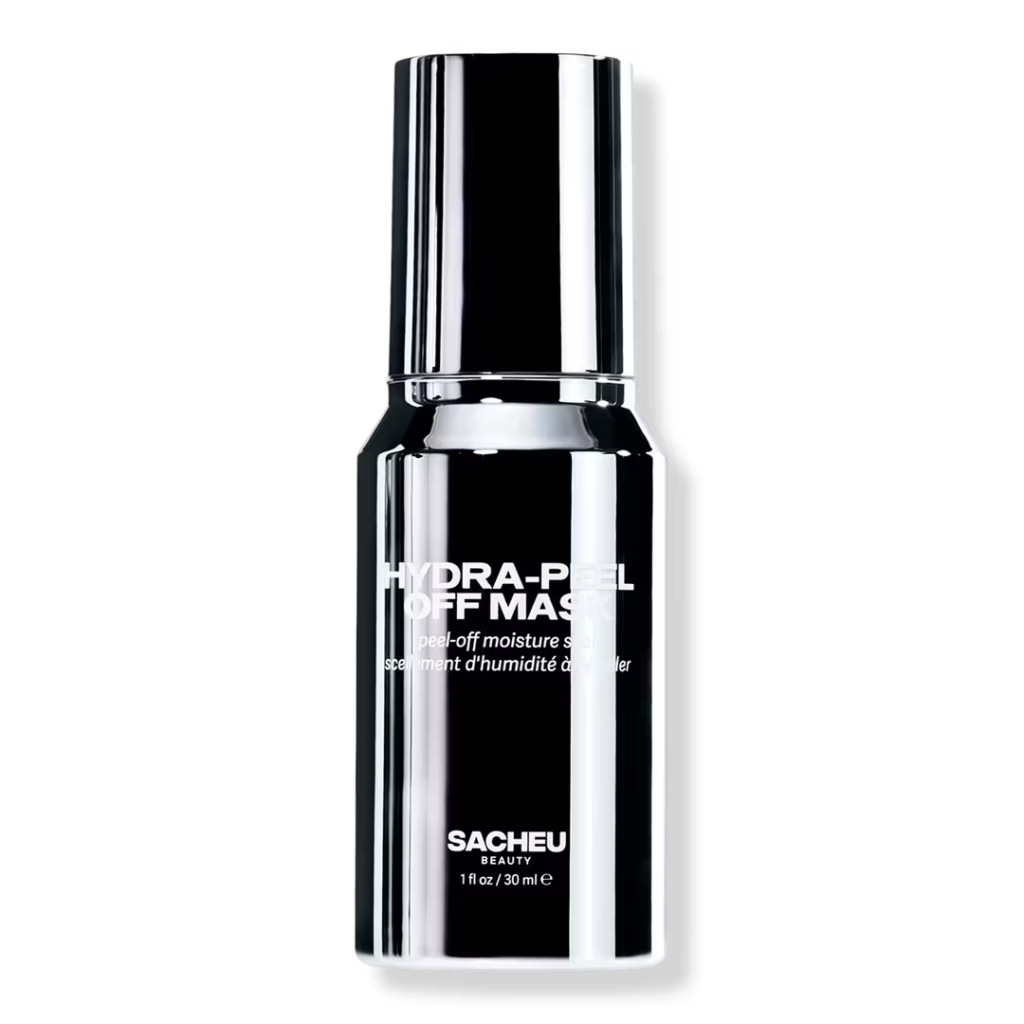
Step 4: Seal It In With the Peel-Off Moisture Mask
This is the step I left out: SACHEU Hydra-Peel Off Moisture Seal Mask. This kind of mask acts like a sealing layer over your skincare so hydration stays locked in. That’s helpful when you’re treating hyperpigmentation because calmer, well-hydrated skin is less likely to inflame and create new marks. It can also make your skin look smoother and more “refined” by morning because it reduces overnight dryness and irritation that can emphasize texture.
How to use it: apply it as your last step on top of moisturizer. Let it set fully, then peel off gently when it’s ready (follow the product timing). If you prefer, you can also leave it to set longer while you wind down.
Use it 2–3 nights per week, not every night. On the other nights, stop after moisturizer.
How Often to Do This Routine
Do the first three steps every night. Add the SACHEU mask 2–3 times per week as your final step.
If you’re also doing a daytime routine, don’t forget: daily SPF is non-negotiable for hyperpigmentation, or fading will take longer and marks can re-darken.
When to Expect Results
Skin turnover typically takes about 28 days, but pigmentation takes longer to fade.
Most people notice:
• smoother texture in 2 to 3 weeks
• reduced breakouts in 3 to 4 weeks
• visible fading of dark spots in 6 to 8 weeks
Full improvement can take 8 to 12 weeks depending on how deep the pigmentation is.
The key is patience and daily sunscreen. Without sunscreen, UV exposure can keep pigment cells active and slow progress.
Why This Routine Works
With consistent use, most people notice smoother-looking skin relatively quickly, but pigment takes longer.
You can expect:
In 1–2 weeks: skin feels calmer, less reactive, more balanced
In 2–4 weeks: texture starts to look smoother, fewer new clogged pores
In 6–8 weeks: noticeable fading in newer dark spots
In 8–12 weeks: more meaningful improvement in stubborn hyperpigmentation
The biggest factor is consistency and avoiding irritation. Dark spots fade faster when you reduce the inflammation that creates them.


