
>> Create Your Personalized Skin Plan Here <<
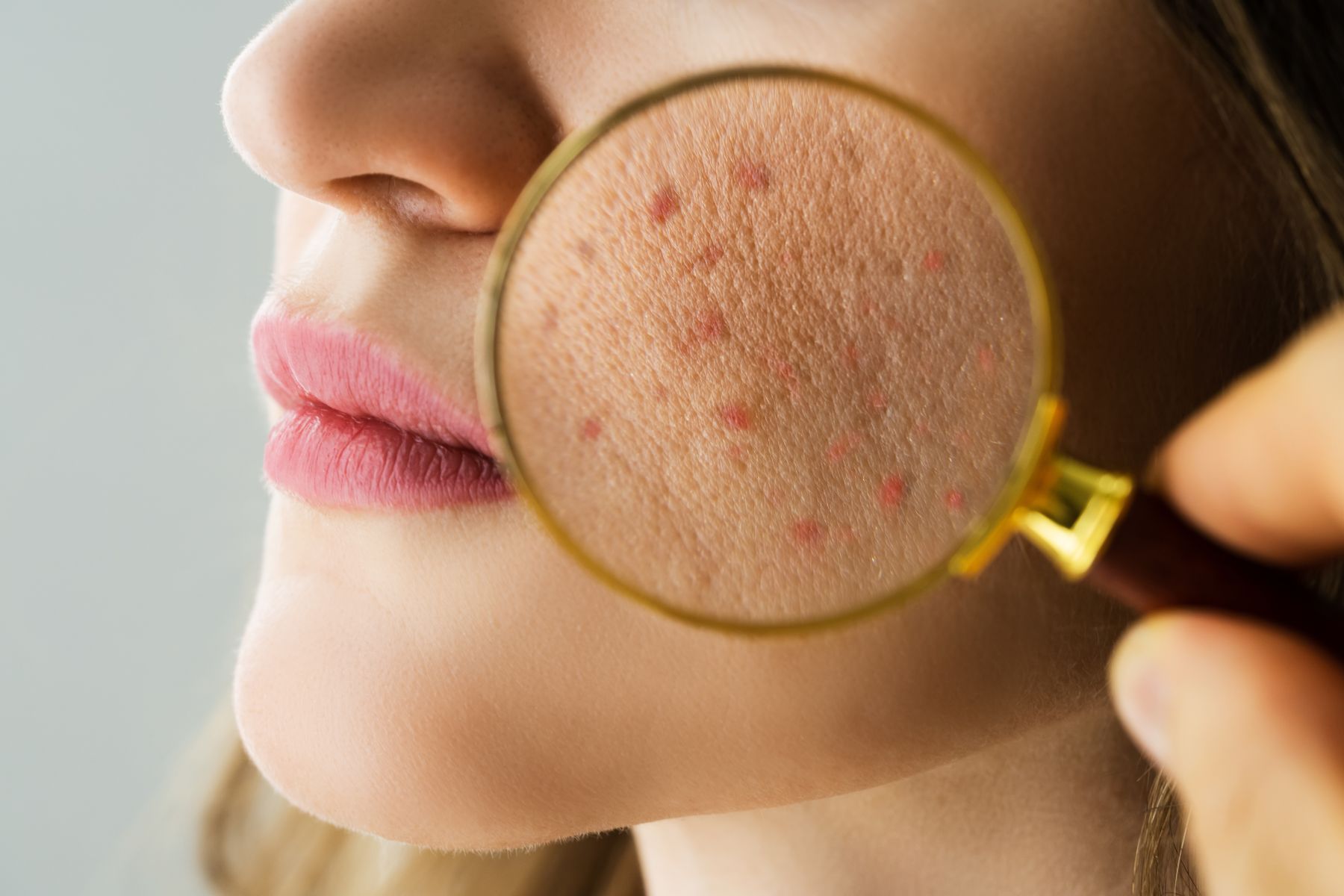
If your skin looks smooth from far away but uneven, bumpy, or rough up close, you’re not imagining it.
And you’re definitely not alone.
Most people think skin texture is just something they have to deal with.
But the truth is, there’s usually a specific reason your skin looks this way.
And it’s not always what you think.
What Skin Texture Really Is
When people talk about “texture,” they’re usually describing skin that doesn’t look smooth or even.
This can show up as:
Small bumps
Rough patches
Uneven tone
Skin that doesn’t reflect light
Makeup that looks patchy or sits unevenly
But here’s what most people don’t realize.
Texture is rarely just one issue.
It’s usually a combination of things happening at the same time.
The Texture Problem No One Talks About
The biggest reason your skin looks textured isn’t just clogged pores or dryness.
It’s imbalance.
Your skin may be dealing with a mix of:
Dead skin buildup
Dehydration
Oil imbalance
A weakened skin barrier
Loss of skin renewal
When these things happen together, your skin stops looking smooth, even if you’re using good products.
That’s why you can have a full routine and still feel like your skin doesn’t look right.
Why Your Skin Looks Smooth Far Away… But Not Up Close
Lighting plays a huge role in how texture appears.
From a distance, your skin can look smooth because light reflects evenly.
Up close, uneven texture disrupts how light hits the skin, making bumps, pores, and roughness more visible.
This is why your skin might look fine in the mirror at one angle but completely different in natural light or on camera.
What’s Actually Causing Your Texture
One of the most common causes is dead skin buildup.
When old skin cells don’t shed properly, they sit on the surface and create a rough, uneven look.
Dehydration is another major factor.
When your skin lacks water, it looks dull and textured, even if it feels oily.
Over-exfoliating can also make things worse.
Instead of smoothing your skin, it can damage your skin barrier and lead to irritation and uneven texture.
And then there’s your skin barrier.
When your barrier is compromised, your skin can’t retain moisture properly, and everything starts to look rough and uneven.
Why Your Routine Might Not Be Working
Many people try to fix texture by doing more.
More exfoliation
More products
More treatments
But this often makes things worse.
If your routine is too harsh or not balanced, your skin never gets the chance to repair itself.
That’s why some people feel like they’re doing everything right… but their skin still looks textured.
What Actually Helps Smooth Skin
Improving texture comes down to balance and consistency, not extremes.
You want to gently remove buildup while supporting your skin’s ability to repair and renew itself.
Using a mild chemical exfoliant a few times per week can help smooth the surface without damaging the skin.
One product often used for improving uneven texture and buildup is the Paula’s Choice Skin Perfecting 2% BHA Liquid Exfoliant, which helps clear pores and refine the look of skin over time when used consistently.
Hydration is just as important.
When your skin is properly hydrated, it looks plumper, smoother, and more even.
Barrier support is key as well.
When your skin barrier is strong, your skin holds moisture better and appears more refined.
Where LED Therapy Fits In
Many people now incorporate treatments that support overall skin clarity and renewal.
LED light therapy is one option that can complement a routine focused on improving texture.
Devices like the ForeverLily™ 7-Color LED Therapy Mask are often used to support smoother looking skin, improve overall tone, and enhance the appearance of dull or uneven skin over time.
It’s not about replacing your routine.
It’s about supporting your skin so it can function better.
A Simple Routine for Smoother Skin
If your goal is smoother looking skin, your routine should focus on consistency, not overload.
Start with a gentle cleanser.
Use a chemical exfoliant a few times per week to help remove buildup.
Follow with hydrating and barrier-supporting products.
Finish with a moisturizer that helps lock everything in without clogging the skin.
And if you choose to, incorporate treatments like LED therapy to support overall skin quality.
Not Sure What Your Skin Actually Needs?
One of the biggest reasons texture doesn’t improve is because people are using routines that don’t match their skin.
Some people are dealing with dehydration.
Others with clogged pores, barrier damage, or oil imbalance.
The most effective routines are tailored to your specific skin concerns.
To make this easier, you can generate a personalized skincare routine here:
Create Your Personalized Skin Plan Here.
This tool helps identify what your skin actually needs so you can stop guessing and start seeing results.
The Bottom Line
Skin texture is not random.
It’s a signal.
When your skin is balanced, hydrated, and supported, it naturally looks smoother and more even.
Instead of trying to fix everything at once, focus on giving your skin what it actually needs.
If you want to build a routine tailored to your skin, start here.
With the right approach, smoother, more refined looking skin is completely possible.


